
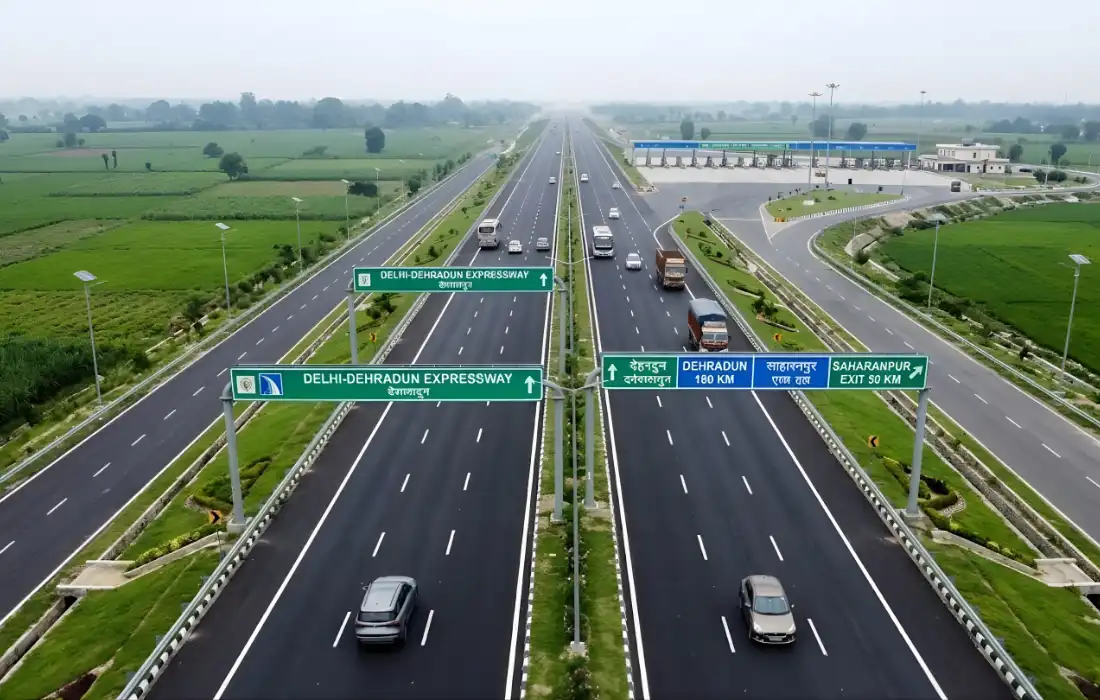
The long-awaited dream of a “quick hill getaway” is finally becoming a reality. If you’ve ever spent more time stuck in the traffic of Meerut or Muzaffarnagar than actually breathing in the mountain air, the latest update on the Delhi-Dehradun Expressway is the news flash you’ve been waiting for.
The National Highways Authority of India (NHAI) has confirmed that the travel time between the national capital and the capital of Uttarakhand is set to be slashed from the current 6 hours to a staggering 2.5 hours.
A Feat of Infrastructure
This isn’t just another highway; it’s a masterclass in modern engineering. Spanning roughly 210 km, the expressway is designed to bypass major bottlenecks that have historically plagued this route.
- Elevated Corridors: A significant portion of the expressway features an elevated 12-km stretch—the longest of its kind in India—specifically designed to protect the local wildlife and forests of the Rajaji National Park.
- Seamless Connectivity: Starting from Akshardham in Delhi, the route connects through Baghpat, Baraut, Shamli, and Saharanpur, offering a smooth, high-speed experience for commuters.
- Economic Impact: Beyond tourism, this expressway is a massive win for logistics and real estate, potentially boosting property values and business hubs along the Western UP corridor.
Why This is the “Golden Period” for Regional Travel
We’ve seen a surge in infrastructure across North India recently, from the rapid development of the Yamuna Expressway to the luxury residential launches in Noida. The Delhi-Dehradun Expressway fits perfectly into this “connectivity revolution.”
For residents in Delhi-NCR, this means Dehradun is now closer than many parts of Gurgaon during peak office hours. Whether it’s a sudden plan for a Saturday morning breakfast in the hills or a more efficient commute for business professionals moving between the two capitals, the distance barrier has effectively been broken.
What to Expect on Your Next Drive
When the expressway fully opens to the public, travelers can expect:
- Lower Fuel Costs: A shorter route and consistent speeds mean better mileage.
- Safety First: Advanced traffic management systems and restricted access ensure a safer journey compared to old state highways.
- Wayside Amenities: Expect high-end rest stops, fuel stations, and food courts that mirror the quality of the world’s best highways.
Final Thoughts
As we move through 2026, the way we perceive distance in North India is changing. The Delhi-Dehradun Expressway isn’t just about speed; it’s about giving you more time—time to spend in the mountains, time with family, and less time behind the wheel in a traffic jam.
Pack your bags, Dehradun just became your new neighborhood!